


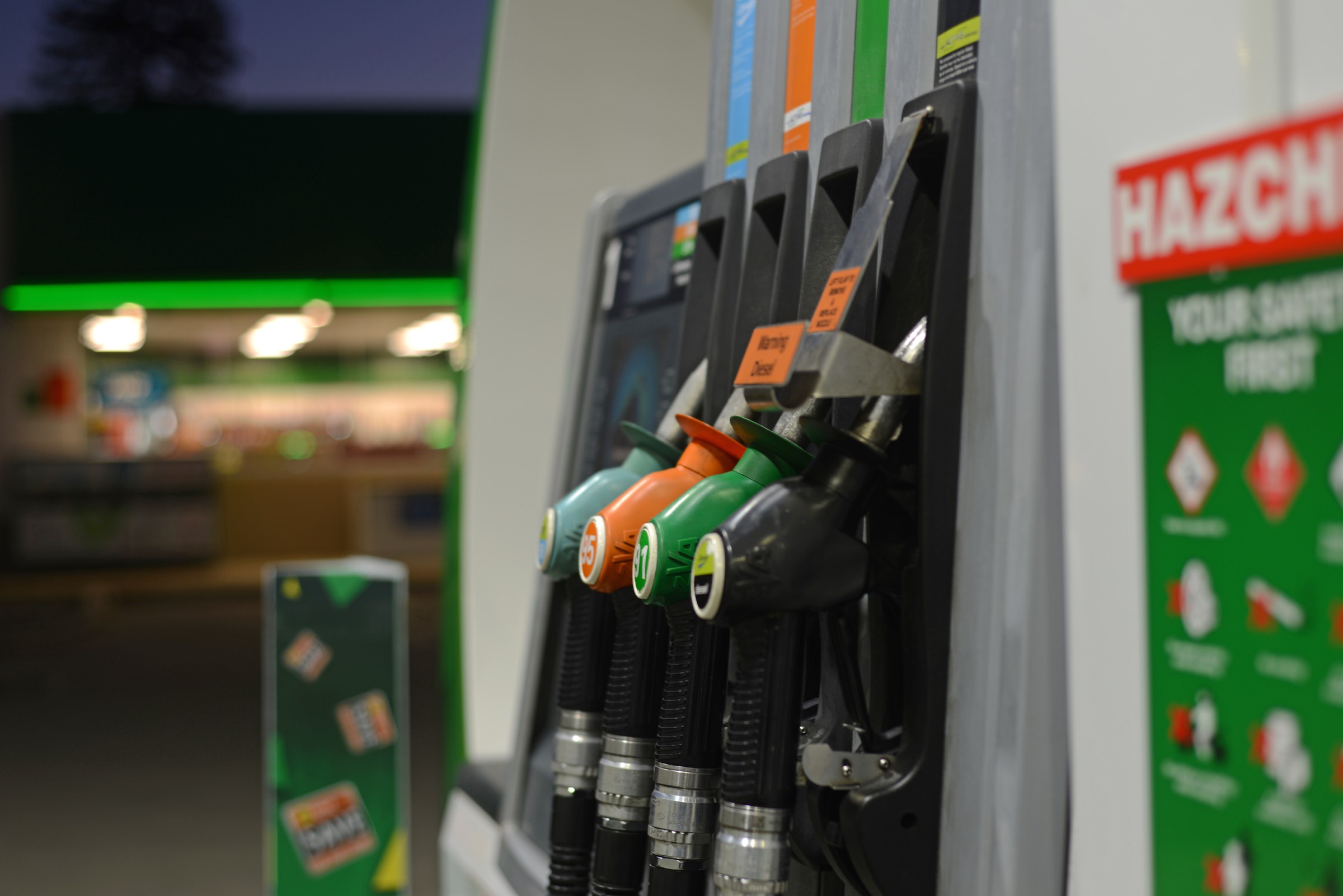
A reprieve for motorists, and a $1.5 billion top-up for the fund that builds the Eastern Busway
Motorists will not pay an extra 12 cents a litre from January, after the Government cancelled the fuel excise increase it had scheduled for 2027.
The decision, announced on 31 August by Finance Minister Nicola Willis and Transport Minister Chris Bishop, leaves petrol excise at just over 70 cents a litre.
It has sat there since July 2020.
“Cancelling next year’s fuel excise increase and spreading the change over time from 2028 will give Kiwis more time to recover from the period of post-Covid economic pain and recent uncertainty in the Middle East,” Willis said.
“It follows our decision to cancel the last Government’s proposed fuel excise hikes, which were due to kick in this term, along with the Auckland Regional Fuel Tax.”
Bishop said the pause could not run on indefinitely.
“While pausing fuel excise increases was the right choice as New Zealanders weathered an economic storm, unless they begin again soon, the financial foundations of our land transport system will be undermined,” he said.
“For New Zealanders, that would mean roads littered with potholes, cancelled projects, and an inability to respond when communities are cut off following severe weather events.”
“Instead of a one-off 12-cent increase, we have spread these changes over time to make the transition fairer and more manageable for New Zealanders, as the economy continues to pick up and wages grow,” Bishop said.
“Fuel tax will rise by 5 cents on 1 January 2028, followed by three further 5-cent increases at six-month intervals.”
“Annual increases will then resume from 1 January 2030, of 5 cents per year.”
Road user charges go up by the same amounts on the same dates.
The money still has to come from somewhere.
The Government will put $1.5 billion into the National Land Transport Fund to cover the shortfall.
Of that, $450 million comes from a fuel response contingency set aside in Budget 2026, with the rest to appear in the pre-election fiscal update.
That is the fund that pays for the Eastern Busway.
The $1.4 billion Panmure to Botany route is due to open next year.
Its final $101 million section started construction in March.
The Government says transport project costs have climbed 45 per cent since 2020, with bitumen up 220 per cent.
The road freight industry says the delay is a mistake, even though its own members pay the charges.
Transporting New Zealand chief executive Dom Kalasih said he was flabbergasted at the prospect of further deferrals.
“We’ll be digging ourselves a deeper hole,” he told RNZ.
“I think it’s already well recognised there is a significant gap between the revenue collected from petrol excise duty and from road user charges, and what needs to be spent on the infrastructure.”
“Unless the government, whatever colour or brand it is, has got some other cunning plan to introduce some revenue, then we are going to get increasing risk of transport problems, and that will likely have an adverse effect on our economic prosperity.”
Labour would go further.
Its leader, Chris Hipkins, has promised to freeze fuel excise and road user charges for a full three-year term.
“New Zealanders simply cannot afford an extra 22c a litre on their fuel bills,” Hipkins said.
He has said transport spending would be scaled back to fit the lower revenue, but has not said which projects would go.
The document that decides that, the Government Policy Statement on land transport, has been delayed until after the election.
“When it is set, it will have to scale to within the budget that’s available,” Hipkins said.
Willis put the cost of Labour’s freeze at $4.6 billion and said it would force cuts to road maintenance and public transport.
She said the Government’s own cancellation was affordable.
“Cancelling next year’s planned fuel tax increases is the responsible choice,” Willis said.
“New Zealand can only afford to do this because of our Government’s careful management of the finances, which has ensured the country is on track to return to surplus in 2028/29, earlier than forecast last year.”
The two parties put those positions to voters on 7 November.
Neither plan raises the tax before then.

