


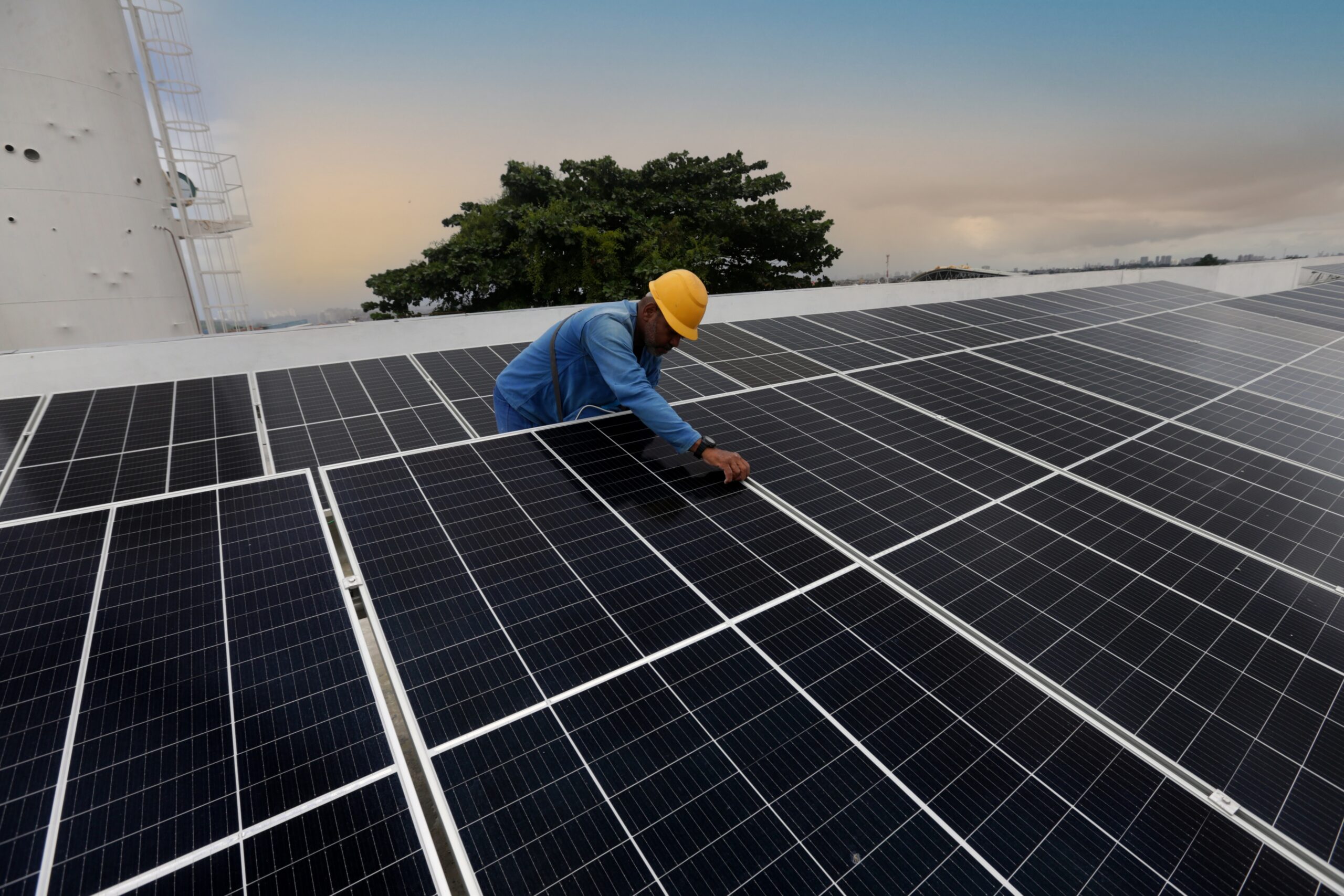
Up to 500 schools will get solar panels and batteries under a $30 million Government programme announced by Energy Minister and Pakuranga MP Simeon Brown alongside Education Minister Erica Stanford.
“The solar on schools programme marks a significant step toward energy affordability and resilience across the education sector,” Brown said.
The first stage is aimed at schools facing the largest increases in energy costs and aligns with the Ministry of Education’s previously announced school diesel boiler replacement programme.
Between 80 and 100 schools are expected to receive panels in the first year, installed over the summer school holiday period.
Early modelling by the Energy Efficiency and Conservation Authority estimates the panels will pay for themselves within five to seven years.
A 30kW system, the standard size for a school, could save up to $8000 a year in electricity bills on the same modelling.
Energy management systems will also be installed at selected schools to help them monitor and manage their energy use.
The programme is expected to generate up to 10.1GWh of energy a year, which the Government compares to powering 1500 homes.
Schools will have the option of selling energy back to the grid, which the Government estimates would generate $6.7 million in revenue over 10 years.
“This will help schools continue to achieve great outcomes for students while reducing energy costs, helping the environment and educating school students about renewable resources and the science behind solar,” Stanford said.
“It’s a win-win.”
Brown said the panels and batteries could also keep schools running as community hubs when the power goes out.
“Many schools play a connecting role during severe weather and other emergencies.”
“Solar and batteries at selected schools can help ensure that communities have a reliable source of electricity to provide heating, lighting, and other essential services when communities need it most.”
“Schools use most of their energy during the day when the sun is shining and are prime candidates for solar.”
The rollout starts this year and finishes in 2028, expanding from summer 2026/27 to include more schools.

