

The Howick Local Board has adopted a 2026/2027 budget its chair says leaves it unable to maintain everything, as staff draw up a risk-scored list of 79 buildings that could eventually face decommissioning
The Howick Local Board has adopted a budget for the coming year that its own chair says covers only about half of what is needed to maintain the Board’s existing assets.
“Our budget is only about half the amount we need to maintain our existing assets,” chair Bruce Kendall wrote in his message accompanying the Board’s 2026/2027 local board agreement.
“The Howick Local Board must make difficult decisions this term, meaning we may need to decommission some popular assets.”
“However, in some cases we can reallocate budgets innovatively to where they are most needed,” he added.
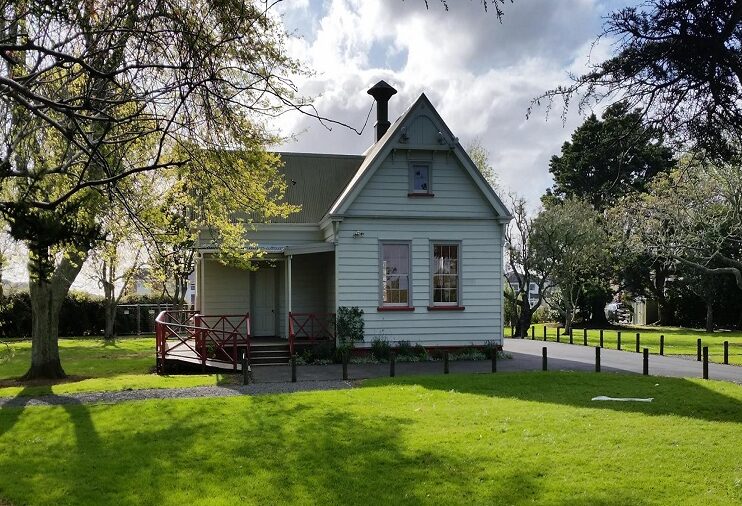
Behind that warning sits a staff exercise that scored 79 buildings across the Board area against risk criteria, as a starting point for working out which might eventually be decommissioned.
The list, put to a Board workshop on 14 May, ranks each building on site risk, building condition and cost, out of a total of 40.
Staff were emphatic about its limits.
“The list is a tool and discussion starting point, not a recommended closure list,” the workshop papers say, adding that the scores are “not an indicator of community value or benefit” and take no account of heritage status or other legal barriers to closure.
Public toilets and changing blocks fill much of the upper end of the list, alongside a number of halls and community buildings.
At the workshop, staff asked members to signal which assets they might put forward for decommissioning in the coming year and which warranted “further investigation”, while stressing that asking for a closer look “is not a commitment to Decommission”.
Which buildings, if any, are formally proposed for decommissioning will not be known until later in the term.
The squeeze has drawn pointed comment from around the Board table.
Deputy chair Kai Zeng, who represents Flat Bush and served as acting chair while Kendall was travelling, framed the year as a balancing act between new and old suburbs.
“How do we ensure every part of our massive community, Botany, Flat Bush, Howick, Pakuranga, gets what it needs, not simply what’s easiest to deliver or the status quo?” Zeng wrote in his deputy chair’s report.
“Growing communities await long-overdue facilities, while older suburbs face ageing infrastructure increasingly in need of repair, notwithstanding the systemic issues around funding for local boards.”
Botany member Damian Light was blunter about the cause.
“Residents understandably want to know that public money is being well spent,” Light wrote in his members’ report, arguing that fixing it “requires system change within Auckland Council, particularly regarding funding and financial information for local boards, which is clearly not fit for purpose”.
In an earlier report, Light pointed to a concrete example of the pressure, citing “$200k more for ‘our’ maintenance contract we didn’t sign or see”.
The Board balanced its books this year with a one-off $1.6 million boost to its operating budget, while trimming several service targets.
Its target for activities and events that help people be physically active fell from 75 to 50, planned rounds of pest control in key areas dropped from nine to seven, and the share of open-space assets rated not in poor or very poor condition was allowed to slip from 86 to 80 per cent.
Light said the strain was already visible, with delayed toilets in Riverhills, held up by the cost of repairing the Howick Library, “contributing to anti-social behaviour in the park”.
The Board’s own plan for the term goes out for public consultation over June and July, with Zeng saying he wants to reach “those who have never traditionally participated in local government processes”.

