

Three Hauraki Gulf sites stay shut to shellfish gathering, while the Howick coast awaits a bigger call
Cockles, mussels and paua will stay off limits at three Hauraki Gulf sites for another two years, under closures the Government confirmed on Monday.
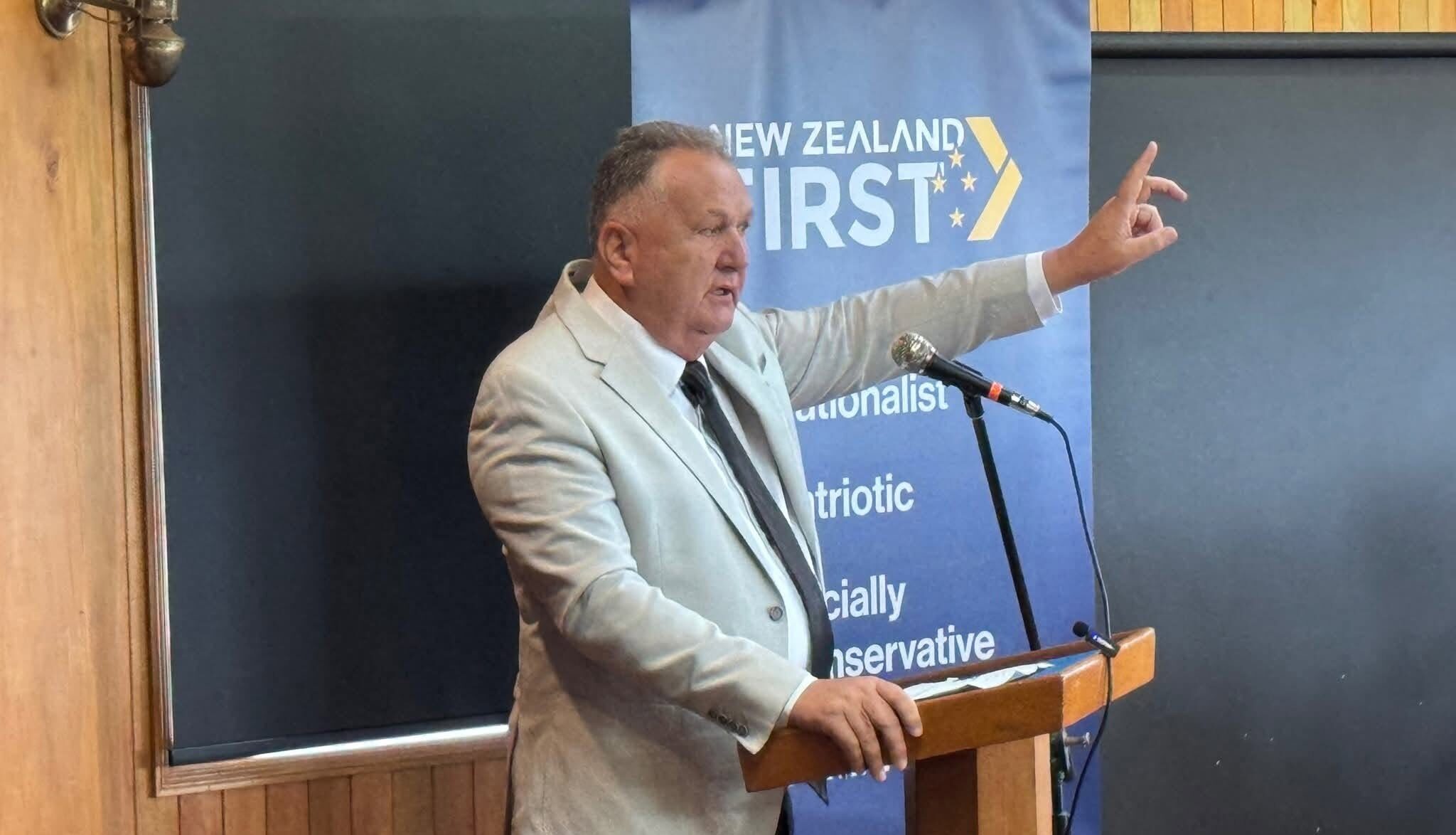
“Extending these temporary closures is a practical step to help replenish local shellfish for the benefit of current and future generations,” Oceans and Fisheries Minister Shane Jones said.
The closures take effect on Friday 7 August and run to 6 August 2028.
At Umupuia Beach, on the Clevedon coast east of Auckland, the ban covers cockles only, from Te Puea at the western end of the beach to Whakakaiwhara Point at the eastern end.
Waiheke Island is closed to mussels, paua and packhorse rock lobster within one nautical mile of the island, excluding Te Matuku Marine Reserve.
Te Mata and Waipatukahu, on the Thames coast, are closed to cockles, mussels, oysters and pipi.
The three renewals were requested by Ngai Tai ki Tamaki, the Ngati Tamatera Treaty Settlement Trust and the Ngati Paoa Iwi Trust.
They were granted under section 186A of the Fisheries Act 1996, which lets the minister close an area to recognise the customary management practices of tangata whenua.
All three applicants belong to the Pou Rahui research project, which pairs matauranga Maori with scientific monitoring to restore taonga species.
Jones said the project trains whanau in traditional skills and data collection “to support evidence-based decision-making, and to ensure the long-term sustainability of customary fisheries.”
Cockle Bay, on the Howick coast, is closed to shellfish gathering year round, and so is Eastern Beach.
Cockle Bay has long been the subject of campaigns by local residents, among them Barry Wood, who joined an Auckland Council shellfish monitoring programme and became a volunteer fisheries officer.
“Some 15 years ago I became concerned at the number of people taking large numbers of cockles from Cockle Bay beach,” Wood said.
“It soon became clear that over harvesting was one of the main problems but there was also an environmental effect.”
A much larger decision for the Howick coast is still to come.
Fisheries New Zealand is reviewing shore-based shellfish harvesting across the whole Auckland and Coromandel area, with options ranging from a partial intertidal closure to a full one covering the coast from the mean high-tide mark to 200 metres offshore.
The Howick Local Board resolved on 28 May to back the full closure, going further than council officers and Fisheries New Zealand had recommended.
It asked its chair Bruce Kendall to write to Prime Minister Christopher Luxon, among several other members of Parliament, seeking support for strong protection of the intertidal environment.
Submissions on that review closed on 12 June.
Fisheries New Zealand said the work is ongoing.

