


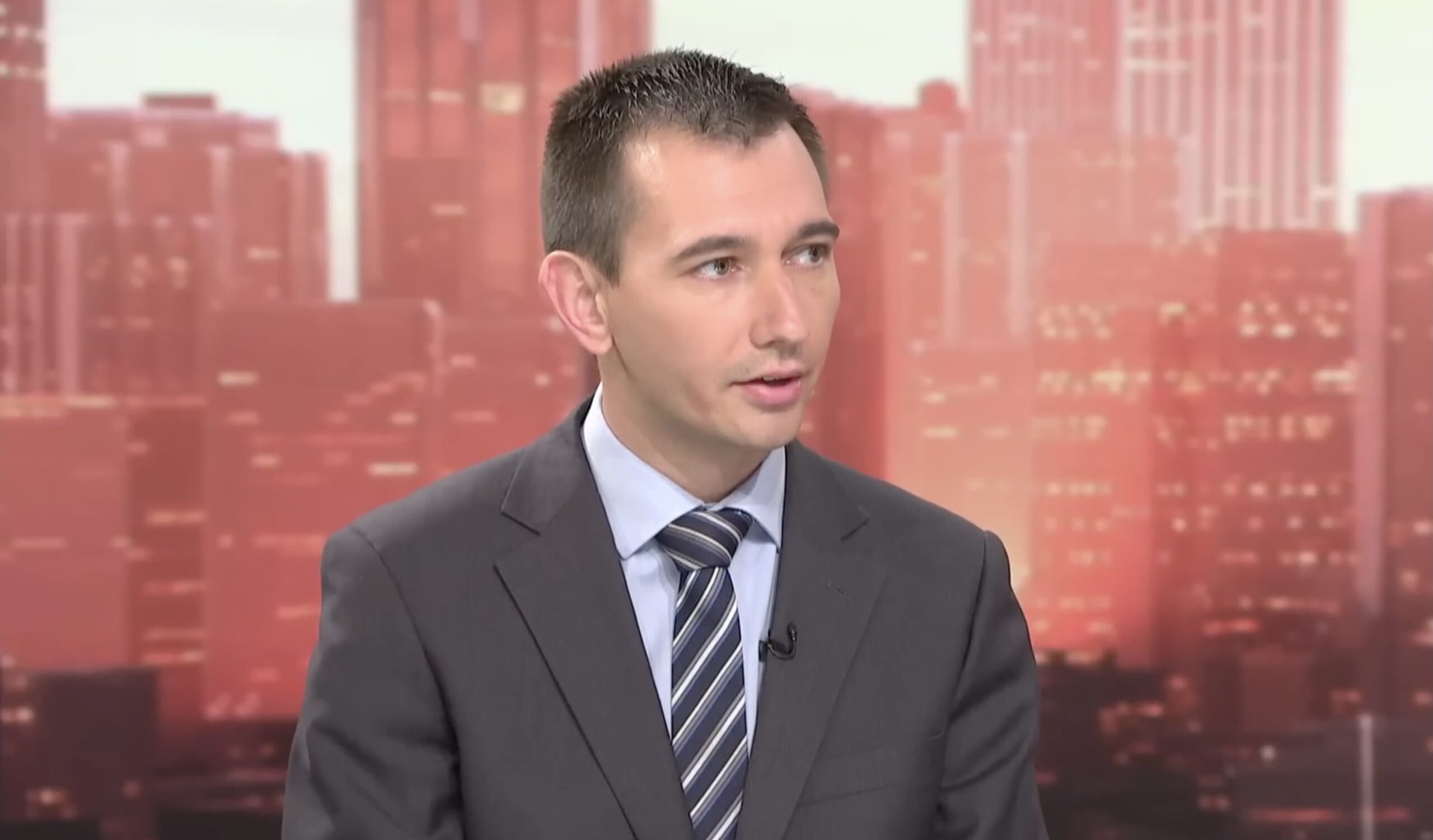
The Government has put more than $5.8 billion of new operating funding into health in Budget 2026, in a package fronted by Pakuranga MP and Health Minister Simeon Brown.
“We are focused on improving access to healthcare, reducing wait times, strengthening frontline health services, and delivering against our health targets, so New Zealanders can get the care they need, when they need it,” Brown said.
The package includes a $1.37 billion annual increase to help meet frontline cost pressures and support growing demand across the health system.
The Government said the funding would bring total health spending to $34.2 billion in the 2026/27 financial year.
Brown said it would help Health New Zealand deliver more care for patients, build capacity across frontline services and improve performance against the Government’s health targets.
“Our record health investment is already delivering results, with more elective surgeries being completed, higher childhood immunisation rates, and shorter waits in emergency departments,” he said.
The Government has attached delivery figures to the money for 2026/27.
They include 24,000 additional planned care treatments and 24,000 additional cancer treatments.
A further 42,000 people are to receive inpatient care, and emergency departments are to handle 26,000 additional events.
The Budget also counts on 53,000 additional general practice enrolments and 272,000 additional bed nights in residential aged care.
Brown said the funding would continue to support access to mental health and addiction services, including increased funding for specialist maternal mental health services.
Several targeted measures sit alongside the main funding.
The eligibility age for the National Bowel Screening Programme drops to 56, which the Government said would support earlier detection of bowel cancer.
A nationally coordinated specialist paediatric palliative care service is to be established.
Mothers will have the option of staying up to three days at a hospital or primary maternity unit after birth.
Money also goes to Pharmac, to road ambulance capacity in areas of high demand, and to strengthening the security of patient information against cyber threats.
Home and community support workers receive an increase in mileage rates, which the Government attributed to fuel costs arising from the Middle East conflict.
From 1 July, Health New Zealand is no longer required to pay a capital charge to the Crown.
The Government said that change was technical and would have no effect on patients or on funding for service delivery, infrastructure or care.
Labour has attacked the Government’s record on what it costs to see a doctor.
Responding on 5 June to a separate Government funding offer to general practices, Labour health spokesperson Dr Ayesha Verrall said the offer did nothing to bring fees down.
“Today’s funding offer fails to lower the cost of seeing a doctor at a time when 650,000 New Zealanders are missing out because of cost,” Verrall said.
“This doesn’t fix that. This means people end up sicker and in our busy emergency departments.”
“A one-year freeze doesn’t solve the problem, it locks it in place.”
Verrall said the offer would also make things harder for GPs, who she said were already grappling with rising costs, workforce shortages and growing patient demand.
“Practices that cannot absorb rising costs could be forced to cut services, lengthen wait times, or close altogether,” she said.
She said Labour would introduce an independent pricing authority so that GPs were never left carrying unsustainable costs.
She said Labour would also introduce three free GP visits a year for every New Zealander.
Brown said the Budget reflected the Government’s focus on “fixing the basics and building the future of our healthcare system with patients at the centre.”
Brown holds the Pakuranga electorate, which covers part of this paper’s circulation area.

