

The mayor said the limit could push up borrowing costs and defer the bill to later ratepayers.
Howick ratepayers paying this year’s 7.9 per cent rates rise will get no relief from the Government’s new rates cap, which does not take full effect until 2029.
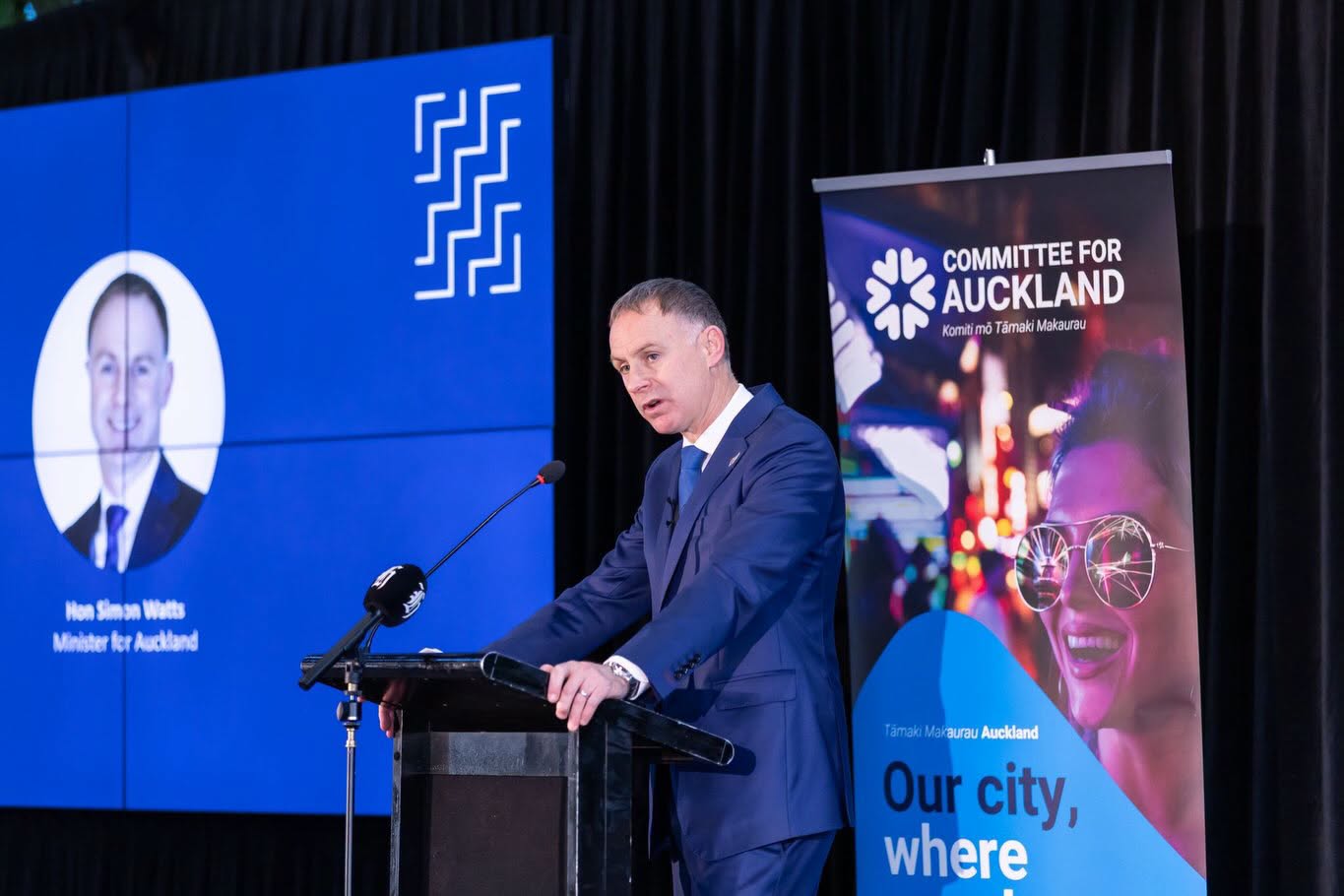
Local Government Minister Simon Watts announced legislation on Tuesday requiring councils to keep annual rates increases within an initial target range of 2 to 4 per cent.
“For too long, ratepayers have been hit with steep and unexpected rates increases, adding pressure to household budgets at a time many New Zealanders are already feeling the squeeze,” Watts said.
Councils will need to consider the range from 1 July 2027 when preparing their long-term plans. The caps take full effect from 1 July 2029.
Median rates increases nationwide were 14.2 per cent and 9.2 per cent over the past two years respectively, Watts said.
Rates on Auckland’s average value residential property went from $4055 to $4378 in July, about $6 more a week.
A cap will not fix what is pushing rates up, Auckland Mayor Wayne Brown said.
“The government’s offering a slogan, but the reality is that a rates cap won’t solve the underlying problem, in fact, could make it worse,” Brown said.
Auckland still has to pay for the City Rail Link, a project Brown said arose from decisions made by previous governments and councils.
The Howick & Eastern Post reported in July that the link adds $235 million a year in ownership and operating costs to the Council’s budget.
“To be frank, a rates cap could actually lead to higher costs for future ratepayers, all for a can of baked beans,” Brown said.
The credit rating agencies Moody’s and S&P Global Ratings have indicated a measure like this could be “credit negative” for the Council, Brown said. A downgrade could push up borrowing costs and put further pressure on rates, infrastructure investment and service levels, he said.
The Government’s tax take has gone from $77 billion to $115 billion over the past five years, Brown said. Rates rose from $1.9 billion to $2.7 billion over the same period, and the Government pays little or no rates on many of the properties the Council services, he said.
The Government’s own Regulatory Impact Statement finds a mismatch between the problem identified and the solution proposed, Brown said.
“This is pretty damning criticism from the government’s own officials,” Brown said.
Auckland’s current Long-term Plan already holds rises to no more than 3.5 per cent from 2027/2028 until 2033/2034, Deputy Mayor Desley Simpson said. That sits inside the range the Government is proposing.
The 7.9 per cent rise was set after an amendment by North Shore councillor John Gillon and Howick ward councillor Bo Burns to cut it to 5.9 per cent was voted down.
Burns later lost a deputy chairmanship in a reshuffle the mayor announced on 3 August. Brown said the reshuffle favoured councillors willing to compromise over those who had consistently opposed him.
The first test of the 3.5 per cent line comes when the Council writes its next long-term plan from July 2027.

