


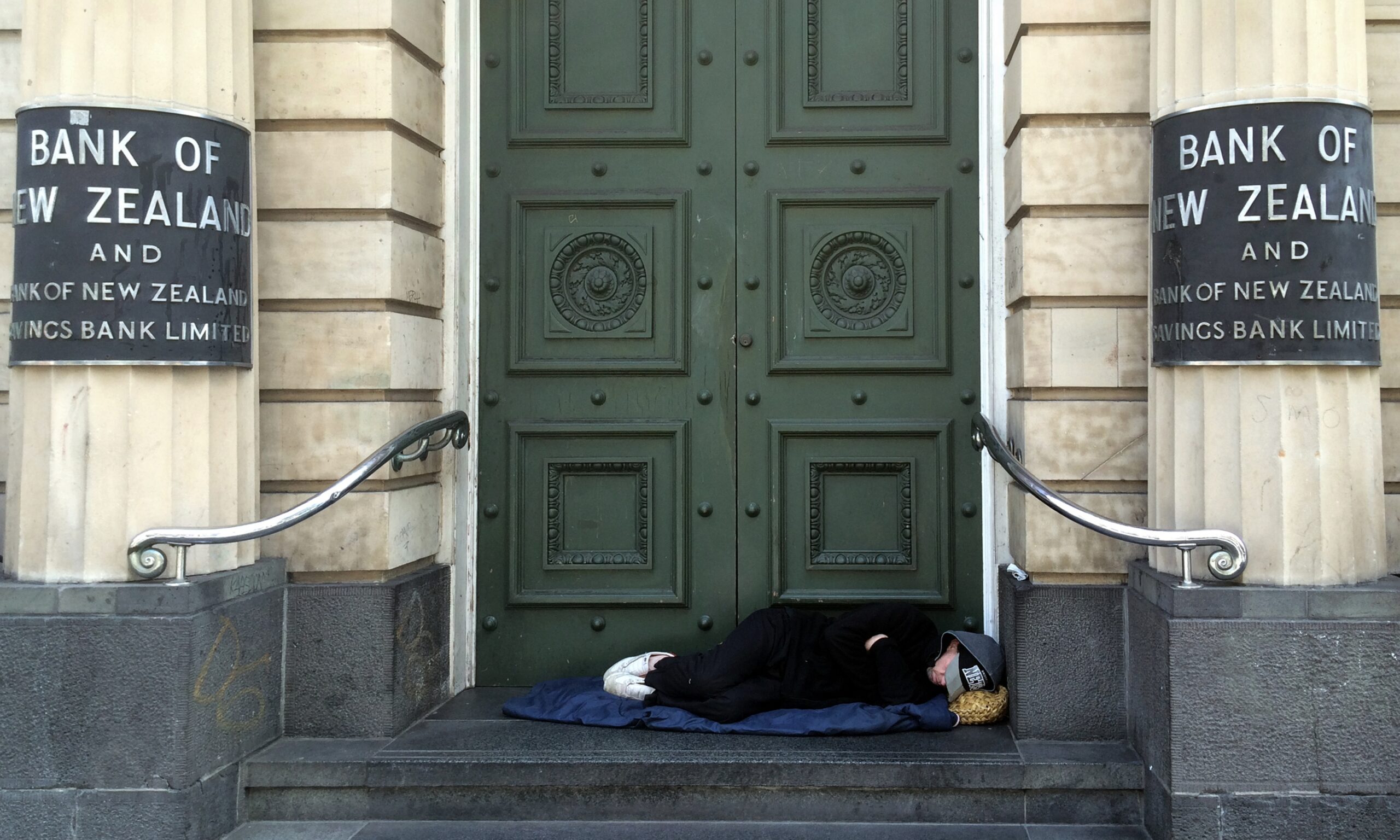
The Howick Local Board has told Parliament that begging and rough sleeping should not be grounds for police to move someone on.
The Board said the two grounds should be removed from the Bill.
Those were “circumstances arising from wider problems, such as hardship, poverty, homelessness, mental health or personal misfortune, and do not necessarily contribute to public safety concerns or anti-social behaviour”, it resolved.
“Public safety concerns can and should be addressed while maintaining the dignity of those involved, and without criminalising vulnerable individuals.”
The Board gave its feedback by urgent decision on 19 June, feeding into Auckland Council’s submission on the Summary Offences (Move-on Orders) Amendment Bill.
The Bill would let police order a person to leave a specified area for up to 24 hours.
Grounds would include disorderly, disruptive, threatening or intimidating behaviour, obstructing someone entering a business, breaching the peace, all forms of begging, and rough sleeping.
The orders would apply to people aged 14 and over, and breaching one would carry a maximum fine of $2,000 or up to three months in prison.
“The board has seen a visible increase in homelessness and rough sleeping in non-city centre locations, like Botany, where there is less support available,” its resolution said.
The Board did not oppose the Bill outright.
It recognised the Bill’s intent and said it supported proportionate measures addressing behaviour that genuinely affected public order.
It called for an “engage first, enforce when necessary” approach that tried to connect people with services before enforcement.
Justice Minister Paul Goldsmith announced the Bill with Police Minister Mark Mitchell in February and introduced it in May.
“Unfortunately, our streets and town centres have endured unprecedented levels of disruption in recent years,” Goldsmith said at its introduction.
“Businesses, residents and visitors are paying the price.”
He said a move-on order was not in itself a criminal charge, and only those who breached one would face prosecution.
The Bill passed its first reading and was referred to the Justice Committee, which heard oral submissions this month.
Board member Damian Light made a personal submission opposing the Bill, separate from the Board’s feedback.
“I strongly oppose this Bill as it fails to address the issues of public disorder in a meaningful way, instead choosing to criminalise poverty, homelessness, and rough sleeping,” Light wrote.
“It will simply push these vulnerable people further out into the suburbs, further from the services and organisations that are working to support them.”
The Ministry of Justice’s regulatory impact statement said it preferred the status quo.

